Why we farm
Aquaculture. Conservation. Restoration.
Those three words are the whole business plan.
Oysters built the Chesapeake — reefs that filtered the water, broke the waves, and sheltered everything else. Farming oysters puts that engine to work: every cage on our lease is habitat, and every oyster in it is a filter running around the clock.
The 2026 planting season
The 2026 season, by the numbers.
- 600k+oyster seed planted in one week of July 2026
- 800kplanting goal for 2026
- ~50 galof water one adult oyster can filter each day (NOAA)
Each oyster filters more water as it grows toward market size — across a farm's worth of cages, that's constant filtration working in this stretch of the river.
Habitat, not just harvest
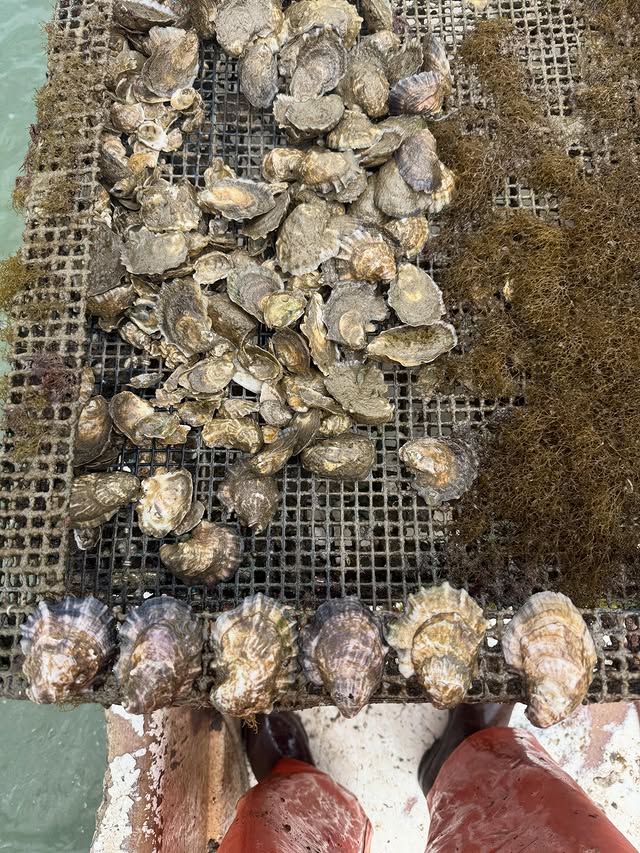
Life moves in around the cages.
Grow-out gear works like a small reef: grasses catch on the mesh, and juvenile fish — like the young tautog we find sheltering around the cages — move in with the crabs and grass shrimp. A working farm ends up busy with life.
Out on the water
Farmed here, for here.
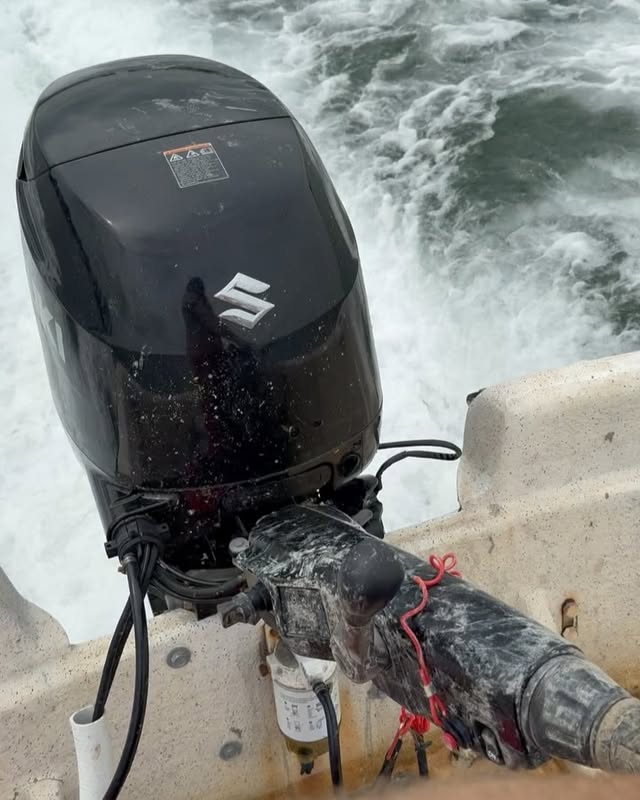
The lease sits where the Rappahannock meets the Bay, and everything the farm does — planting, tumbling, harvesting — happens on that short run of water. Buying Revival oysters is what keeps this farm planting season after season.
Put the farm to work
Book the raw bar, taste the Bay.
Every booking and every bag sold keeps a working farm growing — 800,000 oysters planned for 2026. Or just follow along — we share the whole season.